What Happens During Countertop Templating and Installation
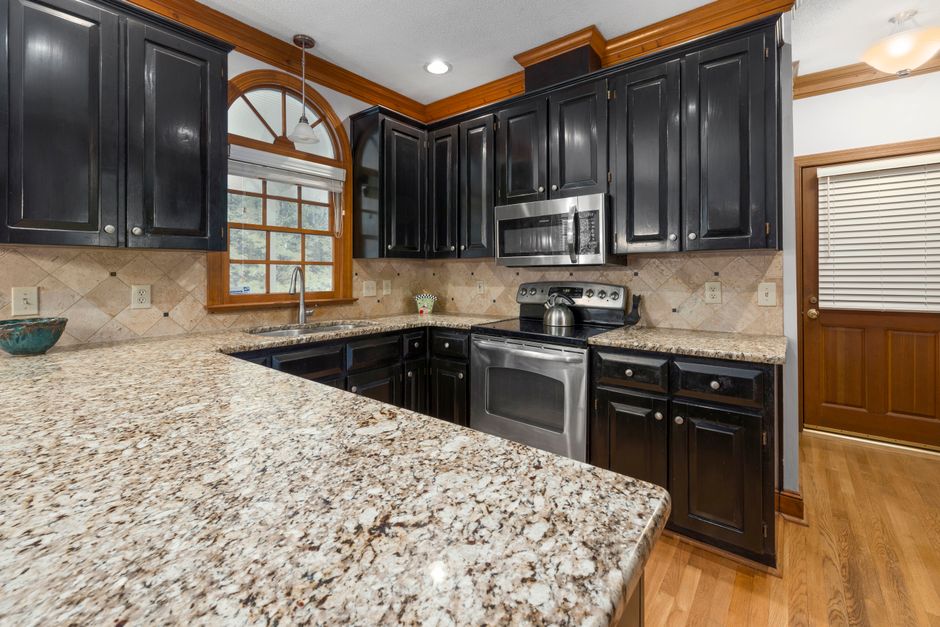
The high whine of a water cooled saw biting into a slab is the sound that tells a kitchen in Chattanooga, TN that the measuring is finished and the stone is about to become countertops. Every fabrication log kept at countertops chattanooga arc light scope shows the same thing: a job that goes wrong at the saw was usually decided weeks earlier, at the template stage, long before anyone touched the slab.
Templating is a measurement, not a glance
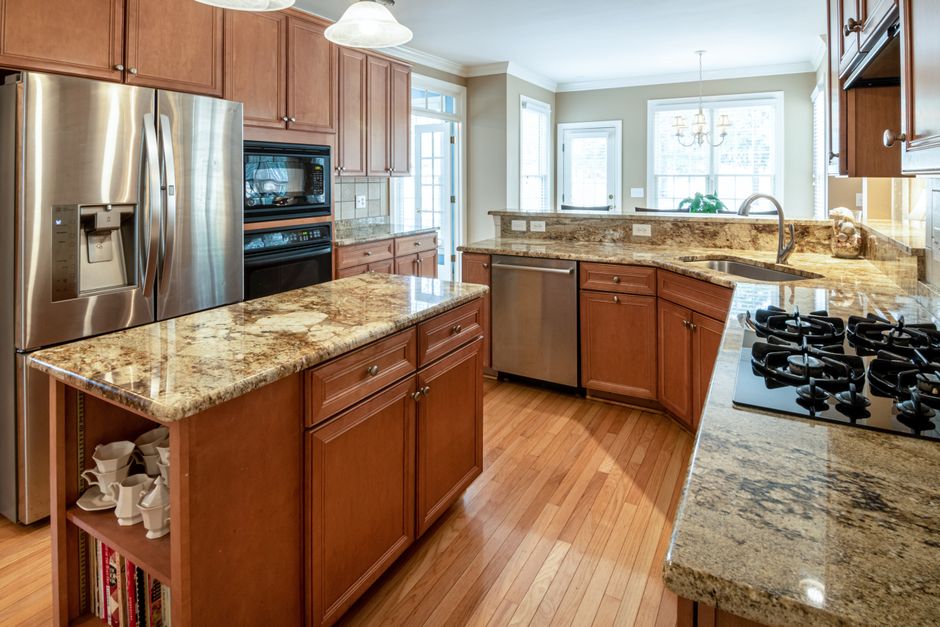
Templating captures exact dimensions, either with a digital measuring device or with physical templates built from thin strips or sheet material. A quick tape measure check does not do it. Walls in older Hamilton County houses run out of square, and the template records every one of those errors so the cut piece follows the wall instead of fighting it.
Laying the template on the slab
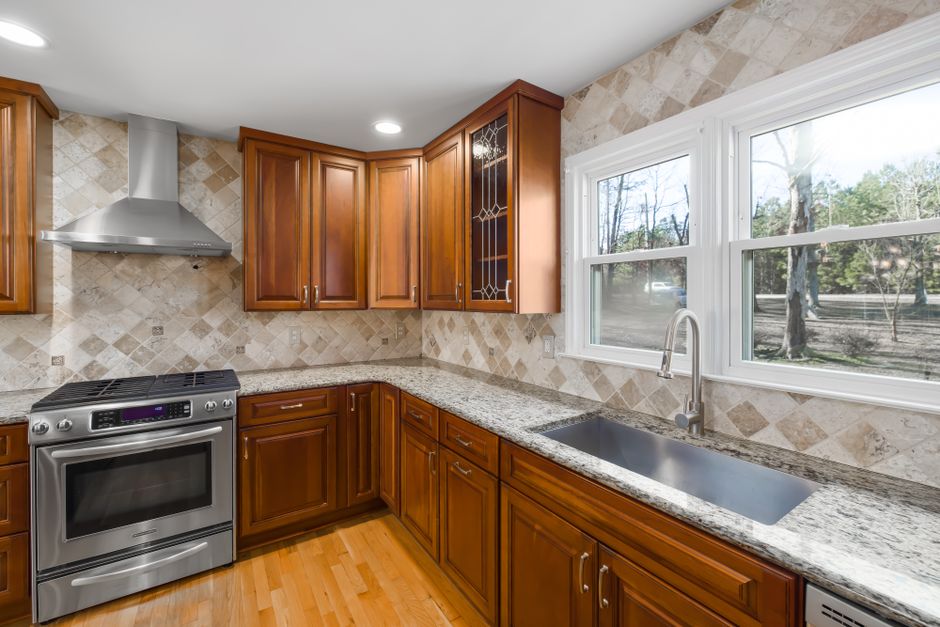
Once the template exists, the fabricator lays it over the slab and decides which part of the pattern lands where. This matters most with heavily veined marble, quartzite or a busy granite. A vein can run cleanly across a long run or get chopped at a corner, and that choice is made with the template flat on the stone before any blade moves.
Cutting and seam placement
Cutting is commonly done with water cooled saws. The water holds down dust and keeps both the blade and the stone cool. Seam placement follows three things: the size of the slab, the cabinet layout, and whether a piece can be carried into the house without cracking. A long run in a house near Lookout Mountain with a tight stair may need a seam that a straight-shot ranch house would not. Not every kitchen can go in without a seam.
Joining the seam
A seam in stone is filled with color matched epoxy or a similar adhesive, then pulled tight with seam setting clamps. The two edges are brought level to each other while the adhesive is wet. The goal is a thin, tight line, and the match of color and pattern across it depends on how the template was laid on the slab.
Setting, shimming and support
Stone does not flex to follow an uneven base, and it will not settle flat over time. Installers shim each piece level on the cabinets, checking with a long level in both directions. An overhang past what the material can carry on its own needs steel brackets or corbels underneath, as with a seating ledge on an island. A thinner quartz or porcelain slab is often set over a plywood substrate, or given a built up laminated edge so it reads thicker. The edge profile, whether an eased edge, a bullnose or a waterfall edge, is cut and polished to suit that build.