Why Do Countertops Crack, Chip, Stain, or Separate at the Seams
Nothing about a cracked countertop in Chattanooga, TN is random, even when it looks that way the morning someone finds it. Most of the failures written up (at countertops chattanooga arc light scope) trace back to a few mechanical causes: thin material, missing support, a cabinet out of level, or an adhesive that let go. The cause has to be named first, because a repair done on the wrong diagnosis opens up again.
Cracks Start Where the Stone Is Thin
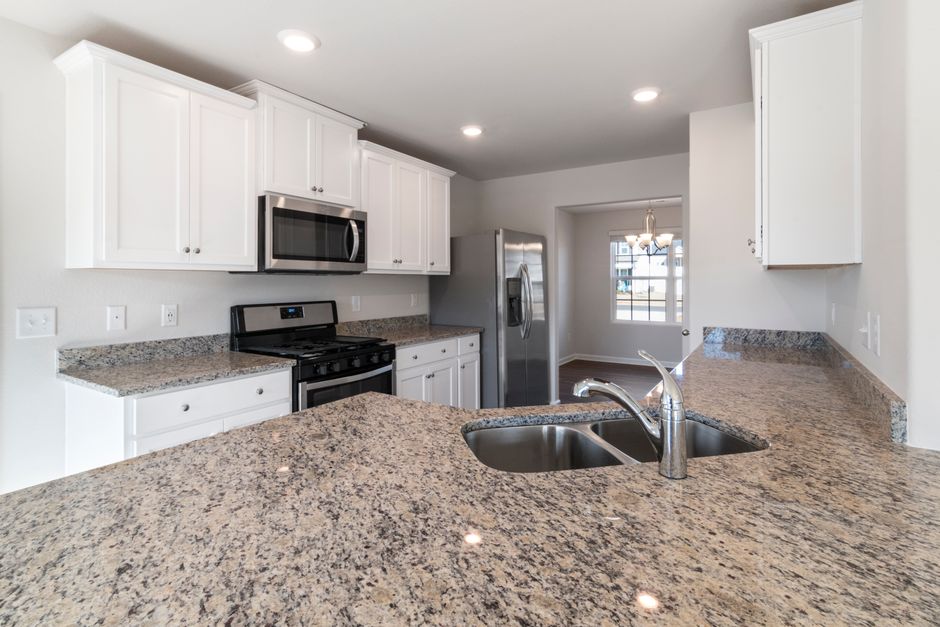
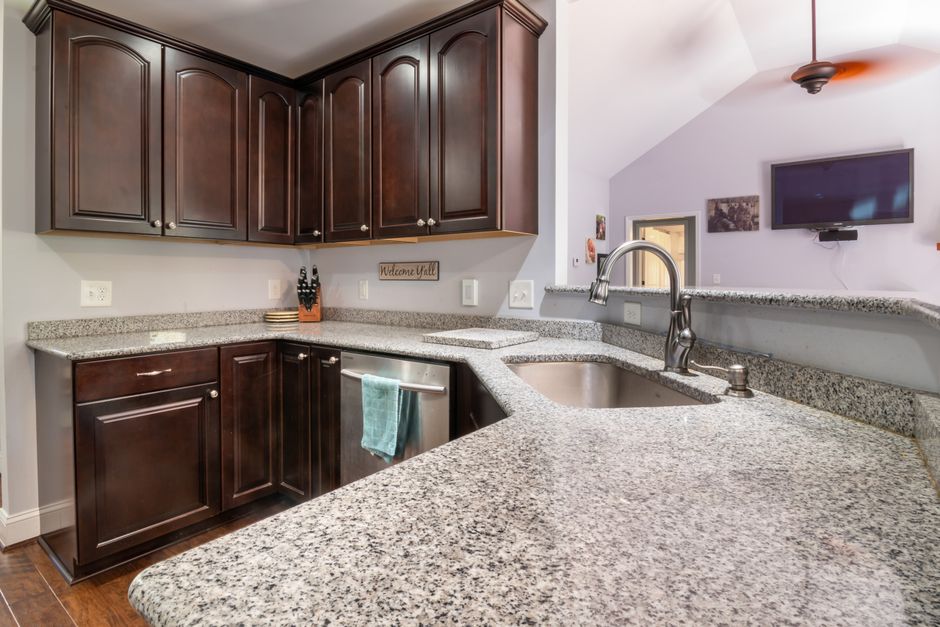
Cracks in granite, quartz and quartzite often begin at the strips in front of and behind a sink cutout, where little material remains. A hairline there means the stone was flexing. An unsupported overhang does the same thing when someone leans or sits on it, and so does a cabinet run that is not flat. Check with a level before blaming the slab. A small crack does not always mean the whole top is replaced. A tight crack with solid support underneath can often be bonded and color matched, while one that keeps moving needs the cause fixed first.
Settled Floors Push Cabinets Out of Level
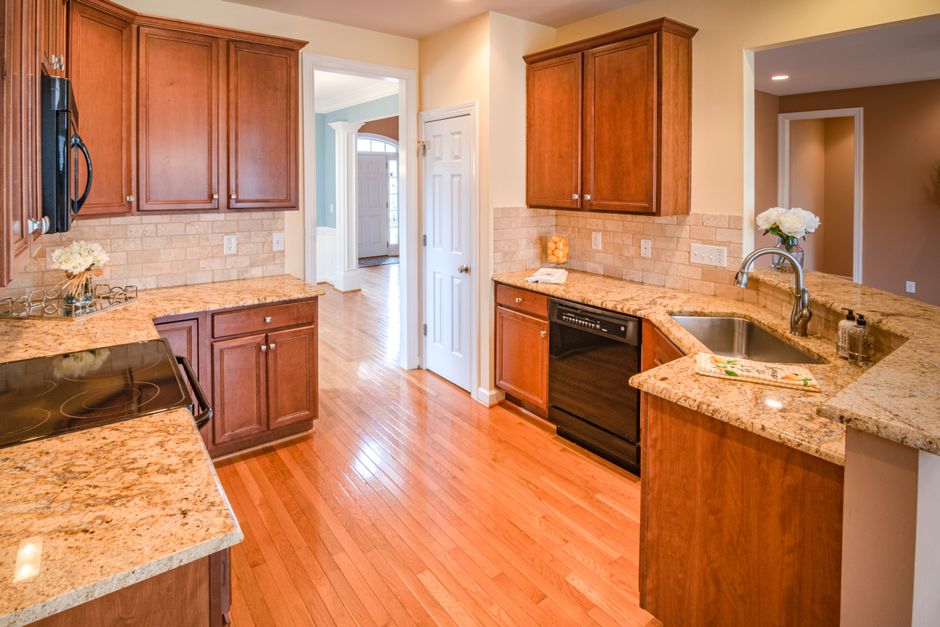
Older homes with settled floors, common in many established Hamilton County neighborhoods, push cabinets out of level and twist the boxes. A rigid top then rides on the high points and carries stress it was never meant to carry. Shimming the base cabinets before templating prevents most of it. A template taken off crooked cabinets records the problem and hands it straight to the stone.
Chips at Edges and Sink Rims
Chips usually happen at sharp square edges and at sink rims where pots and dishes strike the stone. An eased edge or a small bullnose takes a knock far better than a crisp square corner. The edge profile is a durability decision as much as a looks decision. A chip can be filled with color matched resin, though the repair shows most on dark granite.
Dull Spots Versus Stains
A dull spot on marble and other calcium based stone is usually etching from acids, not a stain sitting on the surface. Lemon, vinegar and wine eat the polish. A stronger cleaner will not wipe it off, and can make the surface worse. The finish has to be re-honed or re-polished. Stains are a different problem. In porous stone, oils or colored liquids soak below the surface. A water drop test shows it: if the drop darkens the stone and sinks in, the stone is absorbing. Sealer slows that down, but it wears and needs renewing.
Seam Gaps and Laminate Lifting
Seam gaps come from poor initial fit, cabinet movement, or adhesive failure. Seam placement matters, since a seam near a sink cutout or over an unsupported span will move more than one sitting over solid cabinet rails. A gap that opens and closes with the seasons points at the cabinets, not the glue. Laminate bubbles or lifts when water swells the core or heat softens the contact adhesive. Look beside the sink and under the toaster or slow cooker first. Lifted laminate can sometimes be re-bonded, but swollen core has to be cut out or the top replaced.